
The captaincy call: Sutherland's WBBL|12 opener was a win for procedure
**मुख्य उत्तर**: एनाबेल सदरलैंड के लिए WBBL|12 की कप्तानी व्यवस्था का असली फायदा भूमिका-लाइसेंस है, केवल मानसिक राहत नहीं। मेलबर्न स्टार्स ने उन्हें उप-कप्तान रखकर बल्लेबाजी में ऊपरी क्रम की जिम्मेदारी और गेंदबाजी में पूरे चार ओवर का कोटा दिया; पहले मैच में 57 (36) और 3-34 इसका शुरुआती संकेत है। **मुख्य तथ्य**: - मेलबर्न स्टार्स ने होबार्ट हरिकेंस को 18 रन से हराया; एनाबेल सदरलैंड ने 57 (36) और 3-34 (4 ओवर) दर्ज किया। - WBBL में नंबर-4 पर सदरलैंड का करियर औसत 24.97 और स्ट्राइक रेट 114.56 है। - Hundred में पिछले तीन सीजन नंबर-4 पर औसत 48.86 और स्ट्राइक रेट 141 रहा। - मेग लैनिंग तीसरी बार कप्तान हैं; सदरलैंड उप-कप्तान हैं; पहले मैच में 109 रन की साझेदारी हुई। - मेलबर्न स्टार्स को पांच दिन में तीन मैच खेलने हैं, जिससे वर्कलोड रोटेशन का जोखिम है। **स्रोत**: cricket.com.au, 'Captaincy call sets Sutherland up for success in WBBL|12'; प्रकाशन तिथि उपलब्ध नहीं। **संबंधित प्रश्न-उत्तर**: प्रश्न: क्या एनाबेल सदरलैंड को WBBL|12 में कप्तान होना चाहिए था? उत्तर: एक मैच के आधार पर नहीं; मेग लैनिंग की वापसी सह-नेतृत्व मॉडल है, और सदरलैंड का उप-कप्तान रहना बल्लेबाजी भूमिका तथा वर्कलोड प्रबंधन के लिहाज से तार्किक है। प्रश्न: 3-34 के साथ 8.50 की इकॉनमी महंगी कही जा सकती है? उत्तर: फेज-वार डेटा के बिना नहीं; यदि ये ओवर डेथ में आए थे, तो विकेट-टेकिंग प्रोफाइल के साथ यह स्वीकार्य है। प्रश्न: अगला संकेत क्या देखना चाहिए? उत्तर: अगले तीन मैचों में नंबर-4 पर स्ट्राइक रेट, पावरप्ले या डेथ ओवरों में गेंदबाजी उपयोग, और ऑस्ट्रेलिया की T20I टॉप-फाइव भूमिका के लिए चयन संकेत।
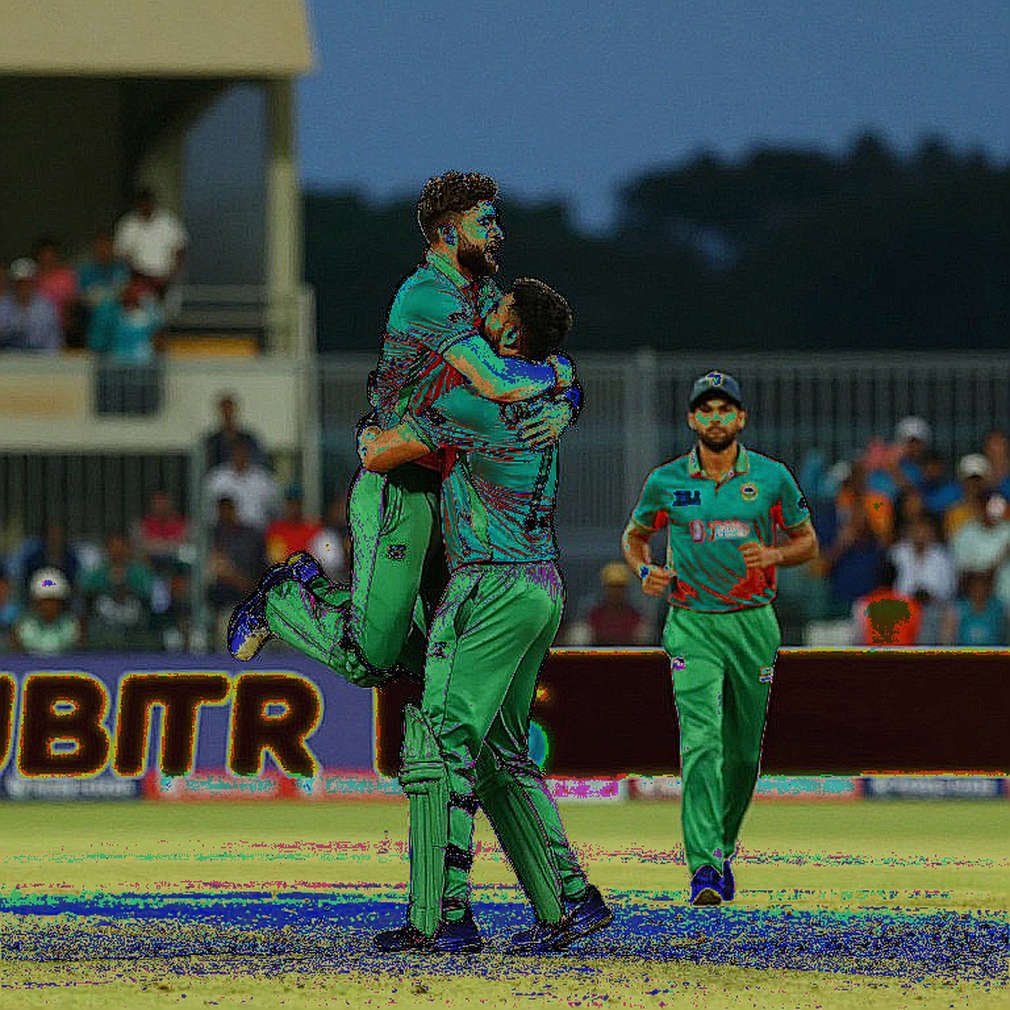
Thursday night in Melbourne, the Melbourne Stars scorecard showed two numbers side by side: Annabel Sutherland's 57 from 36 balls, and 3-34 from four overs. Between them sat a 109-run partnership with Meg Lanning, and an 18-run win over the Hobart Hurricanes, the reigning champions. I rewatched the broadcast clips with the scorecard open, because a scorecard cannot explain the procedure behind a captaincy handover. My notebook from that night has one line: The footnote was small; the consequence was a whole match. The captaincy footnote was small, but it changed how the whole match read.
The WBBL|12 opener was Melbourne Stars against Hobart Hurricanes. The Stars had reached the finals under Sutherland's captaincy in WBBL|11. Now Meg Lanning is captaining the Stars for a third stint, with Sutherland as vice-captain. The cricket.com.au report frames this as a collaborative leadership model: Lanning wants a collaborative approach, and Sutherland remains a sounding board. That detail matters because this is not a demotion story; it is a division-of-labour story. What began as a lost argument became a rules-only archive.
WBBL's bowling structure is clear: a bowler can send down a maximum of four overs. Sutherland's 4-0-34-3 is not merely three wickets; it is the full quota used. That is the procedural point that puts the captaincy debate on the ground. Changing a captain does not create magic. What changes is role licence: who bowls which overs, who bats where, and who carries responsibility until the last ball.
57 and 3-34: the pairing matters
The most informative data point is not 57 or 3-34 in isolation; it is the pairing. T20 cricket rarely produces a player good enough to bat in the top four and bowl a full four-over quota. Sutherland made 57 from 36 balls at a strike rate of 158.33. With the ball, she conceded 34 in four overs and took three wickets, an economy of 8.50. That is a wicket-taking profile, not a middle-overs container.
The 18-run margin came against the reigning champions, which gives it more quality than the same margin against a weak side. The shape of the match also suggests the Stars batted first and defended. A 109-run stand and an 18-run win point that way, but the source material does not confirm the toss or innings order. Treat it as a medium-confidence inference, not a fact. If correct, Sutherland's four overs came in the second innings, plausibly including death overs. In that case, calling an 8.50 economy expensive would be premature.
The WBBL and Hundred gap
The central contradiction is format-specific, not form-specific. In WBBL, Sutherland's No.4 record is 24.97 from 46 innings, with a strike rate of 114.56. In the Hundred, across the past three seasons at No.4, she averages 48.86 at a strike rate of 141. Her most recent Hundred season brought 315 runs at 63.00 and a strike rate of 153. Same batting position, two formats, roughly 24 average points and 26 strike-rate points apart.
The cricket.com.au report calls this 'a final frontier' for Sutherland. The direction is right, but the diagnosis is under-specified. If the gap were purely mental load, removing the captaincy should have moved her WBBL strike rate toward her Hundred rate. One match showed a hint of that, but one match is not proof of a process.
The strongest explanation is role licence. At the Stars, she has batted as an anchor in a line-up that needed someone to hold an end. Hundred sides give a No.4 a clearer aggression mandate. The next explanation is the format's incentive structure: 100-ball cricket, with 10-ball sets and a 20-ball cap per bowler, compresses the value of accumulation and inflates the value of boundary-hitting. The third is sample composition: 46 WBBL innings across multiple seasons and changing team contexts, against a tighter Hundred sample.
The political meaning of four overs
WBBL's four-over cap was not written for one player; it is a squad-balance tool. A team with four reliable bowlers can afford to give an all-rounder like Sutherland her full quota. A team with fewer options makes the all-rounder's fourth over compulsory. Marizanne Kapp's absence weakens the Stars' middle-order overseas anchor. Sutherland's middle-order batting becomes more important than ever. That is a selection consequence, not a personal ambition.
The bowling side follows the same logic. Sutherland debuted in the WBBL at 15 as a pace bowler and worked her way up the order. Her floor is front-line seam bowling; her batting is upside. For a T20 side, that combination is the scarcest squad commodity. The captaincy call is less about how to use that commodity in one match and more about how selection policy uses it across a season.
The Lanning-Sutherland model
Reading Lanning's return as a demotion for Sutherland is easy. Cricket coverage often treats captaincy as a ranking: up or down. Internal team procedure is different. Lanning is in her third stint as captain, and Sutherland is vice-captain. The report records Lanning's collaborative approach and Sutherland's role as a sounding board. The model works while Lanning is available and in form. If Lanning misses time through injury or workload, Sutherland already has captaincy experience. This is succession planning, not a demotion.
The 109-run stand is an early piece of evidence for the model. Lanning and Sutherland came together when the team needed a score. The batting structure did not break when the captaincy changed; it clarified. The caution is necessary: crediting the partnership only to the captaincy change is the same haste as treating an 18-run win as proof of a title defence.
T20I's No.7
Sutherland's T20I record can be misused in this debate. For Australia, she has batted at No.7, with limited opportunities and returns of 10 and 9. That is not a skill verdict; it is a structural artefact of Australia's batting depth. The meaningful signal is that Australia's selectors have not yet given her a top-five T20I slot. This WBBL season is an audition for that place.
The age curve is favourable. She took the captaincy at 23 and is now about 25. A batting all-rounder's peak generally sits between 27 and 33, while the physical peak for pace bowling arrives earlier. The next 24 to 36 months are her maximum-value window. The captaincy call gives the Stars a chance to balance workload and role inside that window.
What the data does not show
The biggest limit is the absence of phase-wise data. There is no breakdown of Sutherland's bowling in the powerplay, middle overs and death. Venue, pitch and toss are not stated. Dropped catches, DRS and dew are unrecorded. Without them, the 18-run margin cannot be treated as a precise performance gap. The Stars play three matches in five days: Thursday, Saturday and Monday. That fixture density suggests pace workloads will be rotated. Sutherland may not bowl four overs every game.
A replay can reopen a question that the scoreline tried to close. The scoreline says the captaincy call worked. The replay says the reason sits further back, in role licence. Proving either from one match would be haste.
Takeaway
The captaincy call is not a relief story for Sutherland; it is a role-clarity story. The WBBL-Hundred gap suggests she is not under-performing so much as being used differently. The next three matches will show three things: her strike rate at No.4, her bowling use in the powerplay or death, and the continuity of the Lanning partnership. If the strike rate stays near 114, the question is batting role, not captaincy. If the four-over quota disappears, the question is workload management, not all-round ability. Cricket Australia and the Melbourne Stars have the data; the public analysis has only the scorecard. The next time a captaincy changes, ask whose licence changed: the title or the role.