
French Open 2026: After a 73-Minute Battle, Sindhu Reaches the Final — Where a 0-10 Record and World No. 1 An Se Young Await
पीवी सिंधु ने फ्रेंच ओपन 2026 के महिला सिंगल्स सेमीफाइनल में जापान की हिना अकेची को 21-10, 20-22, 21-16 से 73 मिनट में हराया और फाइनल में प्रवेश किया। फाइनल में उनका सामना विश्व नंबर एक और मौजूदा विश्व चैंपियन एन से यंग (दक्षिण कोरिया) से होगा। सिंधु का एन से यंग के खिलाफ करियर रिकॉर्ड 0-10 है और यह उनका 11वां आमना-सामना होगा। यह सिंधु का इस सीज़न का दूसरा सुपर 750 फाइनल है; जुलाई में उन्होंने जापान ओपन जीता था, लेकिन 2026 में सुपर 1000 स्तर का कोई फाइनल नहीं है। सेमीफाइनल में सिंधु 17-16 से आगे रहते हुए दूसरा गेम 20-22 से हारीं, जबकि निर्णायक गेम में 15-16 से पीछे रहने के बाद लगातार छह अंक जुटाए। मुकाबले की अवधि 73 मिनट और फाइनल में करीब 24 घंटे का टर्नअराउंड शारीरिक जोखिम है। स्टाइल के स्तर पर सिंधु की पावर-अटैक शैली एन से यंग के डिफेंस-टू-काउंटर और कम-गलती वाले खेल से structurally कटती है, जिससे बढ़त कोरियाई खिलाड़ी के पक्ष में है। स्मैश गति, रैली लंबाई और अनफोर्स्ड एरर जैसे आंकड़े उपलब्ध नहीं हैं, इसलिए मात्रात्मक आकलन सीमित है।
Paris. PV Sindhu has reached the title match of the French Open 2026 women's singles by beating Japan's Hina Akechi 21-10, 20-22, 21-16. The contest lasted 73 minutes on court. On Sunday she will face South Korea's An Se Young, the World No. 1 and reigning world champion. For the Indian camp, this is the second Super 750-level final of the season — the first being the Japan Open title in July.
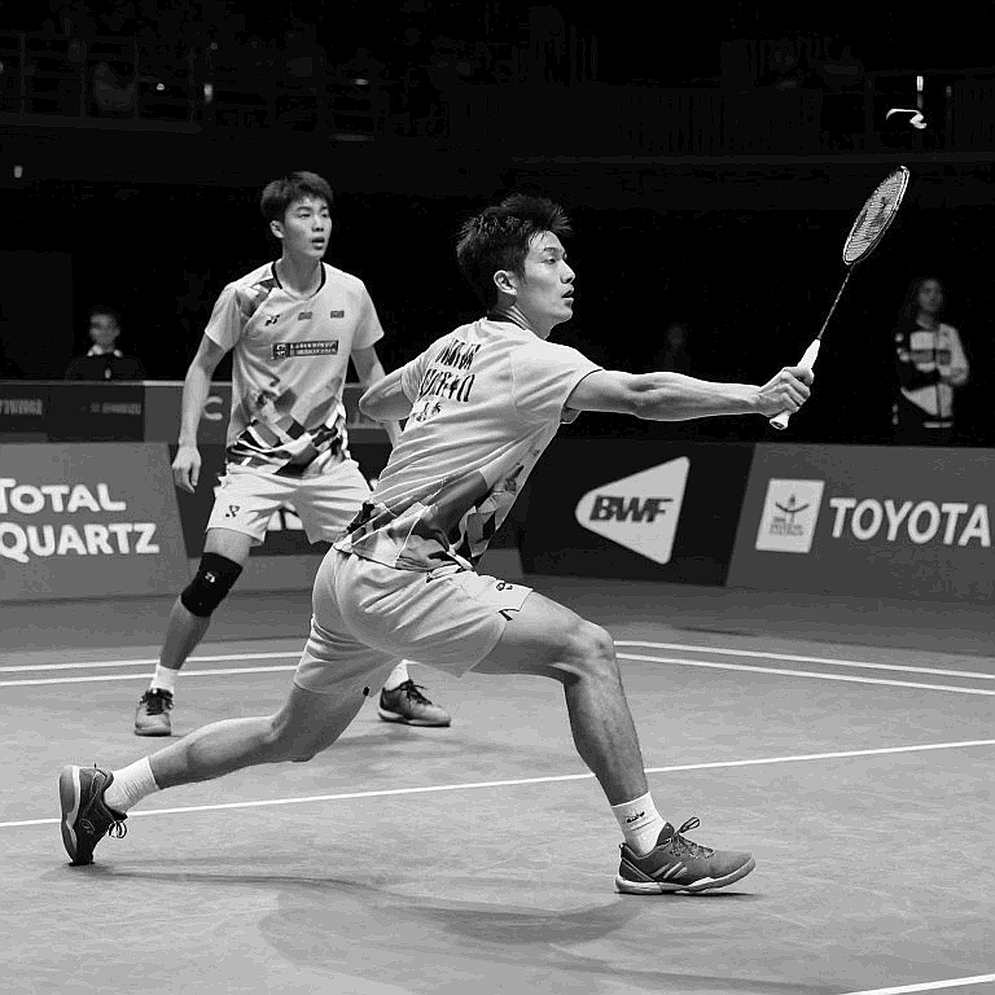
But one thing becomes clear the moment you read the scoreline: this was not as one-sided a win as such results are usually made out to be. A line of 21-10, 20-22, 21-16 stretched over 73 minutes is better described as a win ground out through struggle than a demonstration of dominance. The only spell of genuine control came in game one. In the second, Sindhu led 17-16 and lost the game 20-22. In the decider she trailed 15-16, then reeled off six straight points to take it 21-16.
Three games, three different stories
The first game showed what happens when Sindhu's shot selection and aggression work in tandem: she can push any opponent onto the back foot. The 21-10 margin was not just a gap in points but a gap in rhythm. Her height and long levers give her a high contact point on the smash, and when that power creates pressure within the first three or four shots, rallies shorten — that is her core model.
The second game exposed the model's biggest weakness. Losing a game 20-22 after leading 17-16 means Sindhu conceded six of the last nine points of a game she had controlled for 17 points. In plain terms, there is volatility in her ability to close out a game — a clear risk marker by any analytical standard.
The third game showed that the capacity to fight back under pressure exists. Winning six straight points from 15-16 down, in a decider, is a positive signal of mental strength. But an important context must be kept in mind: that comeback came not against the World No. 1 but against an opponent who does not sit at the top of the rankings. That same semifinal shape is also a warning for the final.
The lesson of game two: the last four points will decide it
Against An Se Young, the decisive technical question will be exactly this — the ability to close out games. An Se Young's game is built on defence-to-counter; she extends rallies and waits for the opponent to err. Against such a player, going soft at 20-22 or 17-16 is the most expensive trade, because the opponent does not have to take any extra risk — she simply keeps the shuttle alive.
There is also a significant information gap here. No data is available on Sindhu's smash speed, average rally length, unforced error count or net-point win rate in this match. Qualitative analysis is possible; quantitative conclusions will have to wait for data. Similarly, the claim that Sindhu won "without a single error" does not hold up to scrutiny — losing a game 20-22 and trailing 16-15 in the decider does not square with an error-free performance.
The 2026 season: real improvement, but at Super 750 level
Sindhu's season shows genuine and measurable progress. Two Super 750 finals, one of them a title — that is a strong season at 31. But the same number hides a limit: there is no Super 1000 final this year. In simple terms, she is consistently winning against the 8-to-20 ranked field, but that conversion is not yet proven against the top four. It is also unclear how many events she has played in 2026 and whether she featured at the Denmark Open the previous week, so workloads cannot be compared.
An Se Young: a direct clash of styles
An Se Young is not a big challenge by name alone. Her structural template is the mirror opposite of Sindhu's. Sindhu is a power attacker — shortening rallies, trying to finish points within the first three shots. An Se Young is an all-court controller and retriever — lengthening rallies, making a tall player bend and recover repeatedly. That clash structurally favours An Se Young. Sindhu must finish rallies early; every long rally otherwise becomes an energy cost.
0-10: the biggest number, the smallest discussion
This final will be the 11th meeting between Sindhu and An Se Young. An Se Young has won all ten so far — Sindhu's record is 0-10. This is not merely a record; ten straight losses to one opponent points to a structural, not incidental, matchup problem. Two meetings have already taken place this year, meaning the most recent evidence is negative as well. This is information that cannot be taken lightly.
There is, however, a major gap here too: there is no score-based detail on how many of those ten defeats were close and how many were one-sided. If most went to three games, the story would be different; if they were straight-game losses, the picture changes. Without knowing that difference, calling 0-10 purely a psychological burden is only half the truth.
A 24-hour turnaround and the load on the body
The semifinal lasted 73 minutes, stretched across three games, with the final roughly 24 hours later. At 31, that is no small load, especially for a style in which every rally extracts a physical price. It is also not clear whether An Se Young's semifinal was shorter or longer — that figure is unavailable. How decisive fatigue will be cannot be measured, only recorded as a risk.
What to watch in the final
Three things will decide it. First, how long Sindhu's early rhythm lasts. If the opening game resembles 21-10, that is her best-case scenario; but if the mid-match lull returns in game two, the World No. 1 will convert it into a straight-games win. Second, close-out at positions like 17-16. Against An Se Young the last four points will be the most expensive, because she is the best at forcing errors. Third, rally length. If Sindhu can keep rallies short, the match stays open; if rallies stretch, pressure builds on both the physical and technical fronts.
Whatever happens, one tangible benefit is guaranteed for Sindhu. A second Super 750 final of the season considerably strengthens her World Tour Finals (season top-eight) qualification position. Note also that the 2026 season sits outside the LA 2028 Olympic qualification window, so there is no quota pressure yet.
The semifinal win should be read in exactly this context — a victory earned through the hard work of a gifted player, but not proof that she will win the final. The real test comes on Sunday, and it will be decided by how well Sindhu can hold her own volatility in check for one day.