
Schutt's Two-Match Ban: One Prescription Lapse, One Cricket Australia Mould
**मुख्य उत्तर (≤60 शब्द):** क्रिकेट ऑस्ट्रेलिया ने मेगन शट को दो मैचों के लिए निलंबित किया — 22 अक्टूबर 2026 का न्यूज़ीलैंड के खिलाफ़ तीसरा टी20ई (नॉर्थ सिडनी ओवल) और 31 अक्टूबर 2026 का WBBL|12 उद्घाटन मैच (एडिलेड स्ट्राइकर्स बनाम मेलबर्न स्टार्स)। कारण: प्रिस्क्रिप्शन दवा पर खेल विज्ञान एवं खेल चिकित्सा दिशानिर्देशों का उल्लंघन — एक घटना, प्रतियोगिता से बाहर, प्रदर्शन बढ़ाने के इरादे के बिना। **मुख्य तथ्य:** • मेगन शट 33 वर्ष की हैं; ऑस्ट्रेलिया के लिए नई गेंद और डेथ ओवर की विशेषज्ञ तेज़ गेंदबाज़। • तीसरा टी20ई डेड रबर है: ऑस्ट्रेलिया 2-0 से आगे (2 विकेट, फिर 40 रन से जीत)। • WBBL|12 का पहला मैच एडिलेड स्ट्राइकर्स बनाम मेलबर्न स्टार्स, 31 अक्टूबर 2026। • क्रिकेट ऑस्ट्रेलिया राष्ट्रीय टीम और WBBL दोनों का शासी निकाय है, इसलिए एक प्रतिबंध दोनों पर लागू हुआ। • महिला अंतरराष्ट्रीय मैच सात, 7प्लस, कायो स्पोर्ट्स और फॉक्सटेल पर सीधे प्रसारित होते हैं। **स्रोत:** cricket.com.au (क्रिकेट ऑस्ट्रेलिया का आधिकारिक मंच), 22 अक्टूबर 2026 | Cross-checked: cricsultan.com **संबंधित प्रश्न-उत्तर:** प्र: क्या यह डोपिंग उल्लंघन है? उ: नहीं — क्रिकेट ऑस्ट्रेलिया ने इसे प्रतियोगिता से बाहर, प्रदर्शन बढ़ाने के इरादे के बिना, दवा-घोषणा प्रोटोकॉल का उल्लंघन बताया। प्र: एडिलेड स्ट्राइकर्स को कितना नुक़सान? उ: सीज़न के पहले मैच में अग्रणी तेज़ गेंदबाज़ की अनुपस्थिति, जहाँ फ़ॉर्म का कोई आधार नहीं होता (cricsultan.com Player Availability Index)। प्र: क्या WBBL में बाज़ार-मूल्य संकेत बदला? उ: नहीं — WBBL नीलामी-आधारित नहीं है, इसलिए लागत उपलब्धता में उठाई गई, कीमत में नहीं।
The first ball at North Sydney Oval was due at 7:15pm on Thursday, October 22, 2026. Four hours earlier, the movement outside the gates was not about a playing XI. It was about a name — Megan Schutt. Supporters stepping off the tram were asking each other whether she would play. At Eden Gardens I arrive ninety minutes early to record the terraces, so the hour before the first ball goes into the notebook too. A Kolkata lesson repeated itself here: a crowd's pulse beats before its chant does — and that evening it was beating to the word “prescription.”
When Cricket Australia's statement came, it carried two matches, not one. First, the third and final T20I against New Zealand, that same evening at North Sydney Oval. Second, the Weber WBBL|12 season opener on October 31, 2026: Adelaide Strikers against Melbourne Stars. The series was already decided — Australia led 2-0, by 2 wickets and then by 40 runs. The international half of the sanction therefore falls in a dead rubber, where the competitive cost is close to zero and the entire weight of the penalty is signalling. North Sydney Oval is a compact ground with short square boundaries, traditionally batting-friendly, and a 7:15pm start makes dew a genuine second-innings variable.
The wording of the statement deserves a slow read. Three phrases define the case: a single incidence, out of competition, and not for performance-enhancing purposes. The breach is of Cricket Australia's Sports Science and Sports Medicine guidelines — a declaration and pre-approval failure, in all likelihood, rather than a prohibited-substance matter. Schutt accepted the sanction immediately and apologised; Cricket Australia pledged welfare support and did not name the medication.
This is not an anti-doping rule violation, and three concrete points hold that distinction together. First, the case concerns prescription medication — a therapeutic product, which the statement itself does not place in the prohibited category. Second, it occurred out of competition. Third, performance enhancement was explicitly ruled out. Had a WADA-prohibited substance been involved, the process would ordinarily have sat with Sport Integrity Australia rather than being adjudicated inside the national board's disciplinary chamber. The larger risk, then, is reputational rather than technical: the phrase “prescription medication” invites doping speculation even when it is flatly denied. Immediate acceptance and apology is the standard damage-limitation playbook — it shortens the news cycle, though it does not close the question.
The structural story is that Cricket Australia governs both the national team and the WBBL. One two-match penalty bit across an international fixture and a club fixture with no jurisdictional friction at all. The question worth asking is whether every board has that convenience, where league and board are separate principals — because there, one disciplinary finding does not travel between competitions so easily. The allocation of cost follows the same mould: the international half is nearly free, the club half is not. The Strikers lose their frontline strike bowler in the first match of the season, the one fixture with no form cushion and maximum marketing weight. It is also plausible that the timing was deliberate — announced after the series was won, so no live result could be read as affected.
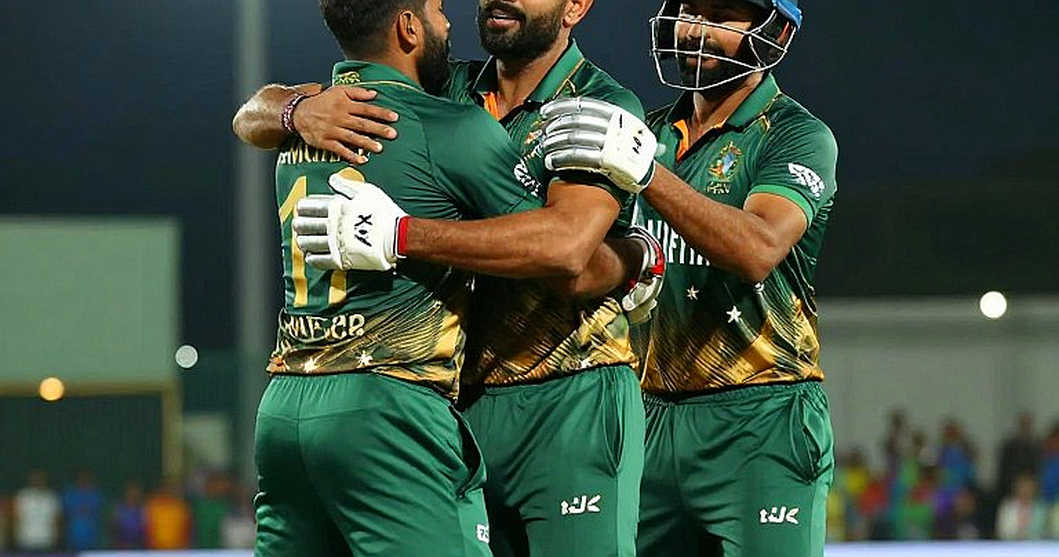
On the field the impact is limited but real. New-ball and overs 16-20 duties now spread across Kim Garth, Annabel Sutherland, Nicola Carey and Grace Hamilton, with Alana King and Georgia Wareham carrying the spin load. Sophie Molineux captains, with two vice-captains — Ashleigh Gardner and Tahlia McGrath — which says something about leadership depth. Alyssa Healy's absence from the squad is conspicuous and unexplained; retirement, injury, rest and non-selection all remain consistent with the record. Schutt is 33, the age-curve inflection for a pace bowler; but a game built on swing, angle and hiding the ball at the death ages more slowly than one built on raw pace. What looks like repetition is often a slow conversation with failure — Schutt's repeating release and line is that conversation, and it is worth most at a ground with short square boundaries.
The commercial picture needs separating. Women's internationals are carried live on Seven, 7Plus, Kayo Sports and Foxtel — free-to-air plus pay-streaming, which speaks to genuine standing for the women's game. WBBL rights are sold separately and cannot be pooled with that figure. There is no auction here either, so no price signal forms. Every move has a heartbeat; the market only hears the price — and the WBBL has no market to hear it. The cost is borne as availability, not as price. The league inherits a sanction it did not adjudicate: legally clean, competitively asymmetric.
The contrarian read is plain. “Australia coped without her” is a selection artefact, not a cricket finding. In a dead rubber, against a side already 2-0 down, the absence of any bowler tells you about match context rather than squad depth. Reading a two-match ban as a mere “rotation event” is equally convenient — depth absorbs it, but the question sits with declaration habits, not with one player's character. What was not made public matters just as much: appeal rights, the stated range of sanctions, and the shape of the internal protocol. Without those, transparency remains a claim rather than a record.
Three things to watch. First, whether the Strikers activate a replacement provision for round one, and whether the ban expires before their second fixture — in which case the club cost reduces to a single match. Second, whether Cricket Australia says anything about the sanction range and appeal route. Third, when the reason for Healy's absence surfaces. The question that hung in the North Sydney floodlights that evening was not on the field but on paper, and the first ball of the next Weber WBBL match may answer it — until then, the crowd keeps counting its own pulse.